- Home/
- Student Loans/
- How Can You Improve Your Credit Score?
How Can You Improve Your Credit Score?
August 25, 2026
August 25, 2026
On-time payments, lower balances, and free report checks are the habits that most often help you improve your credit score—and they matter because lenders use that number when you apply for a mortgage, student loan, personal loan, or other credit.
Almost always, the first thing lenders look for is your credit score, often a FICO score. Your score is a measure of how likely you are to repay debt on time. It can affect whether you qualify and what APR you are offered. Fortunately, that number is not fixed. With planning and steady habits, you can improve your credit score over time.
Before you borrow or refinance, it helps to clean up your file and understand how lenders will read it. If student debt is part of your plan, start by comparing student loan options once your credit picture is clearer.
One update worth knowing up front: you can get free weekly online credit reports from Equifax, Experian, and TransUnion through AnnualCreditReport.com. The FTC confirmed that weekly access is permanent, not only a temporary COVID-era change.
Your credit score is calculated from the data on your credit reports, grouped into a few weighted categories. If you have had a bank account or credit card, Equifax, Experian, and TransUnion likely each keep a file in your name. Bureaus collect data from creditors and some public records. When you apply for credit, a lender may pull a report and score based on that file.
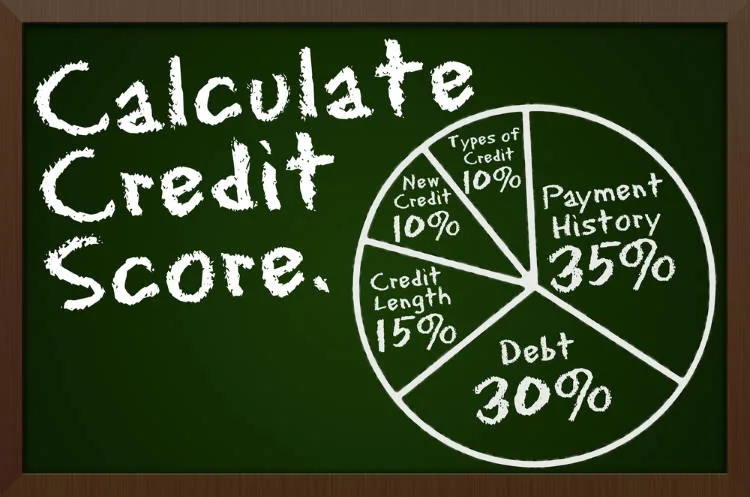
FICO groups that information into five categories. According to myFICO’s credit education materials, the standard weights are:
Factor | Typical weight | What it reflects |
Payment history | 35% | Whether you pay bills on time |
Amounts owed | 30% | Balances relative to available credit |
Length of credit history | 15% | How long accounts have been open |
New credit | 10% | Recent accounts and hard inquiries |
Credit mix | 10% | Types of credit you manage |
Because the three files can differ, your score can vary by bureau. myFICO states that FICO Scores are used by 90% of top lenders. Under the Fair Credit Reporting Act, you also have rights to disclosures and to dispute incomplete or inaccurate information. The CFPB explains how free reports work alongside the weekly online path at AnnualCreditReport.com.
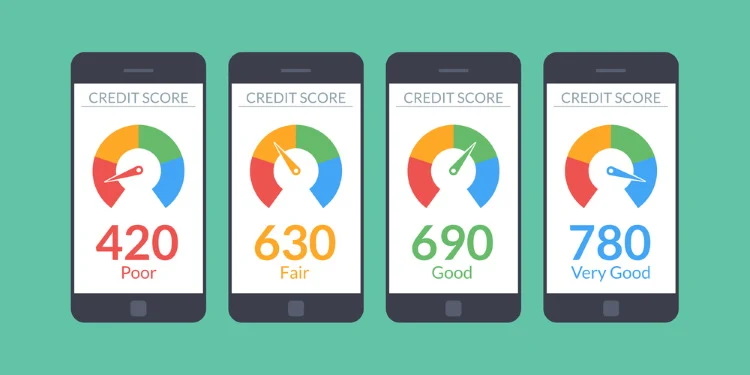
Credit score ranges are educational bands lenders use as one input, not a guarantee of approval or pricing. A common FICO educational scale runs from 300 to 850. Educational materials commonly group scores into bands such as poor through exceptional on that scale (see myFICO’s credit scores overview and our credit score ranges guide for context):
Rating | Score range |
Poor | 300–579 |
Fair | 580–669 |
Good | 670–739 |
Very good | 740–799 |
Exceptional | 800–850 |
Lender cutoffs vary widely by product. Stronger scores can support better access and pricing, while underwriting still weighs income, debts, and other factors. For a deeper walkthrough of bands and borrowing context, see our guide to credit score ranges.
Focus first on payment history and amounts owed, then on history length, new credit, and mix. These steps expand the core habits most people can start this month.
Bring past-due accounts current when you can, then protect on-time payments going forward. Payment history carries the largest standard FICO weight, so late marks hurt. Set calendar reminders or autopay for at least the minimum so due dates do not slip. Government and industry consumer guides, including the CFPB and the American Bankers Association, stress consistent on-time payments as a primary lever.
Use less of your available revolving credit, especially on credit cards. The CFPB notes that experts often advise keeping credit use at no more than about 30% of your total credit limit, and that you do not need to carry a balance to get a good score. Paying in full each month still reports responsible use if the issuer reports the statement balance. Paying down revolving debt is usually more effective than only moving balances around.
Yes. Pull reports from all three bureaus and dispute incomplete or wrong items. Errors can suppress a score that would otherwise improve with good habits. File disputes with the bureau that shows the problem and keep records of what you send. Weekly free online reports make it easier to spot issues early.
Often yes, if the account has no annual fee you dislike and will not tempt overspending. Closing older cards can shorten average history and raise utilization if limits disappear. If an account is costly or risky for your spending, closing it can still be the right money choice even if the score effect is mixed.
Limit applications you do not need, because hard inquiries and new accounts can weigh on new-credit factors. When you are rate-shopping for a loan, complete applications in a short window. Many scoring models treat clustered mortgage, auto, or student-loan shopping as a single search rather than many separate ones. Exact windows vary by model and loan type, so treat “one short shopping period” as the practical rule rather than a fixed day count.
Build a short, clean record with products designed for limited history. Options can include a secured credit card you pay on time, a credit-builder loan from a credit union or community bank, or becoming an authorized user only when the primary cardholder is reliable. The CFPB notes that financial institutions offer products such as secured cards and credit-builder loans to help consumers establish and build credit.
Personal habits do most of the work, but a few free or low-complexity tools can support the process without paid gimmicks.
Free weekly reports: Use AnnualCreditReport.com for all three bureaus online.
Free scores from banks and card issuers: Many apps show educational scores. Those figures can differ from the score a lender pulls.
Credit-builder loans and secured cards: Useful when you need positive history and can repay on schedule.
Optional alternative-data features: Some products, such as Experian Boost-style tools, may add certain bill payment data to a file. Results depend on the model and lender. They are not a shortcut for every mortgage or loan decision.
Credit counseling: Nonprofit agencies affiliated with the National Foundation for Credit Counseling (NFCC) can help with budgets and debt plans. Be cautious with paid “credit repair” promises. You can dispute errors yourself under the Fair Credit Reporting Act.
For a plain overview of scores and improvement basics, USA.gov’s credit score page is a clear starting point.
Pre-borrowers planning a student loan, personal loan, mortgage, or refinance who want a cleaner file first
People rebuilding after late payments, high balances, or a rough patch
Thin-file or new-to-credit adults who need simple ways to establish history
Comparison shoppers who want to understand how lenders will read their score before they apply
Credit improvement starts with you, and a short checklist beats a vague plan.
Pull free weekly reports from all three bureaus this week and note errors or past-due items.
Pick one or two levers you can sustain: on-time payments and lower revolving utilization.
When you are ready to borrow or refinance, compare options with clear next steps.
Higher scores can support better access to lower rates on mortgages, personal loans, student loans, and other credit. Motivation and discipline matter more than any single app or paid program.
It depends on what is hurting the score. Paying down revolving balances can show up after the next reporting cycle, while late-payment history and short credit age usually take longer to improve.
No. Checking your own free reports through AnnualCreditReport.com does not lower your score the way a hard pull for a new application can.
Usually not solely for the score. Closing a card can raise utilization and shorten history. Close accounts when fees or spending risk outweigh that tradeoff.
The CFPB notes that experts often advise keeping use of credit at no more than about 30% of your total limit. Lower utilization is generally better, and you do not need to carry a balance on purpose.
Sometimes, if they are reported through a builder product, alternative-data feature, or specialty service. Traditional FICO models still rely heavily on credit accounts, so results vary by product and lender.
We refreshed this guide against current primary sources on scoring factors, free report access, and consumer credit rights. We reviewed myFICO education pages on score factors, FTC and AnnualCreditReport.com guidance on weekly free reports, CFPB Ask CFPB answers on free reports and good-score habits, USA.gov’s credit score overview, ABA consumer tips, and NFCC counseling context. We also compared structure and topic coverage against leading nonprofit, government, and bank educational pages ranking for “how to improve credit score.” We did not run a new BestMoney proprietary survey on this topic for this refresh.
Nadav Shemer is an insurance expert at BestMoney.com, with a background in financial journalism, hi-tech, and startups. He has covered business, tech, and energy for various publications and enjoys exploring the latest innovations in insurance to help readers make informed decisions.